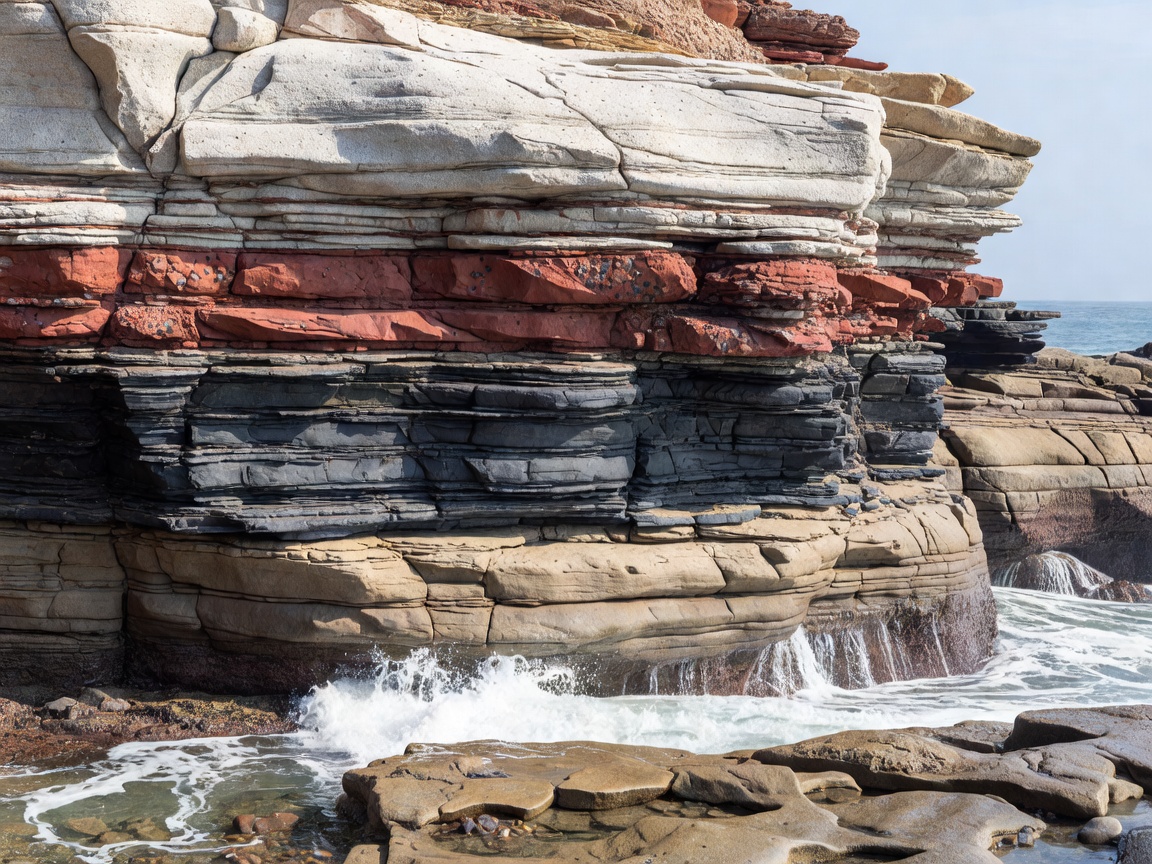
01 / REGIONAL ATLAS EUROPE
Fossil Sites Across Europe
Compare fossil-bearing regions, rock settings and the practical differences between coasts, quarries, caves and mountain geology.
Open regional guideTHE EUROPEAN FOSSIL ATLAS · FIELD GUIDE 01
Explore fossil-bearing landscapes, museum collections and the geological context that connects a specimen to its past.
ATLAS INDEX / 05 ROUTES
Start with a region, a collection, a discovery setting or a geological question. Each guide has a distinct focus.
01 / REGIONAL ATLAS EUROPE
Compare fossil-bearing regions, rock settings and the practical differences between coasts, quarries, caves and mountain geology.
Open regional guide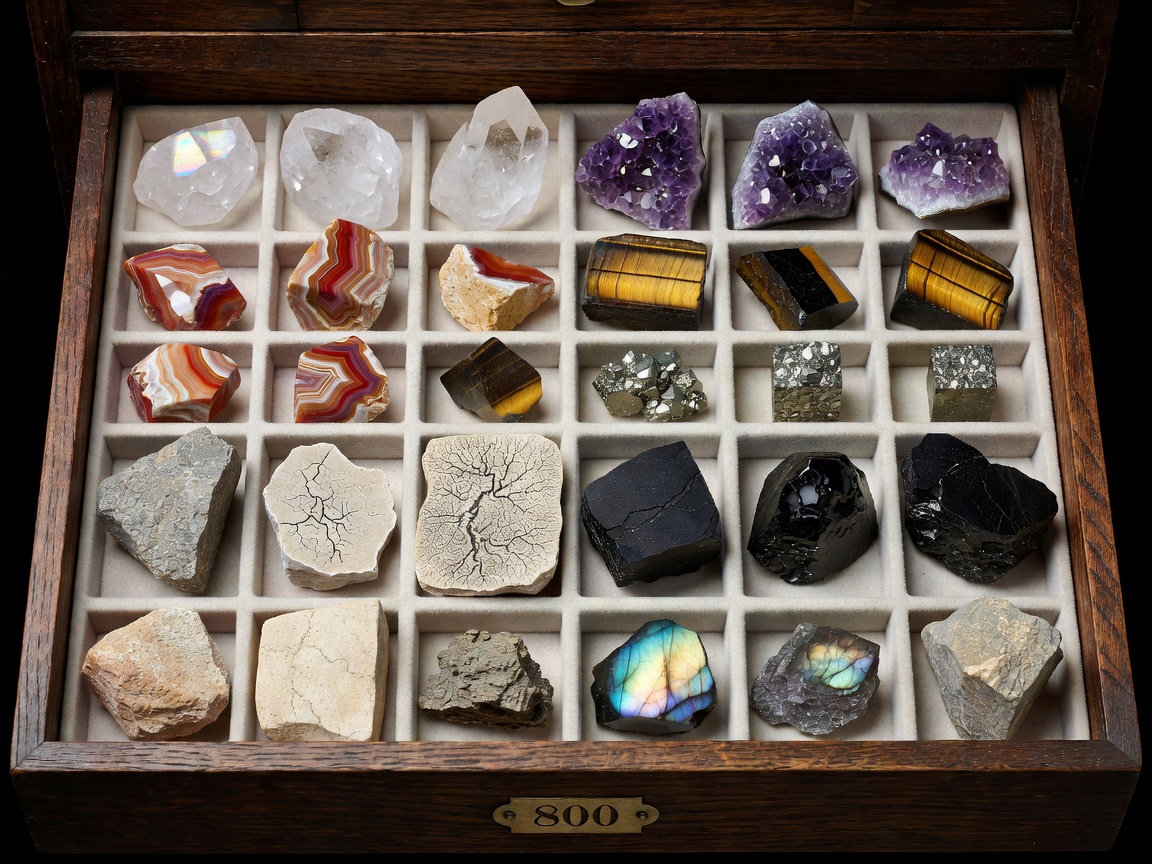
02 / COLLECTIONS ARCHIVE
Understand exhibition, teaching and research collections, and how cataloguing helps specimens retain their scientific context.
Explore collections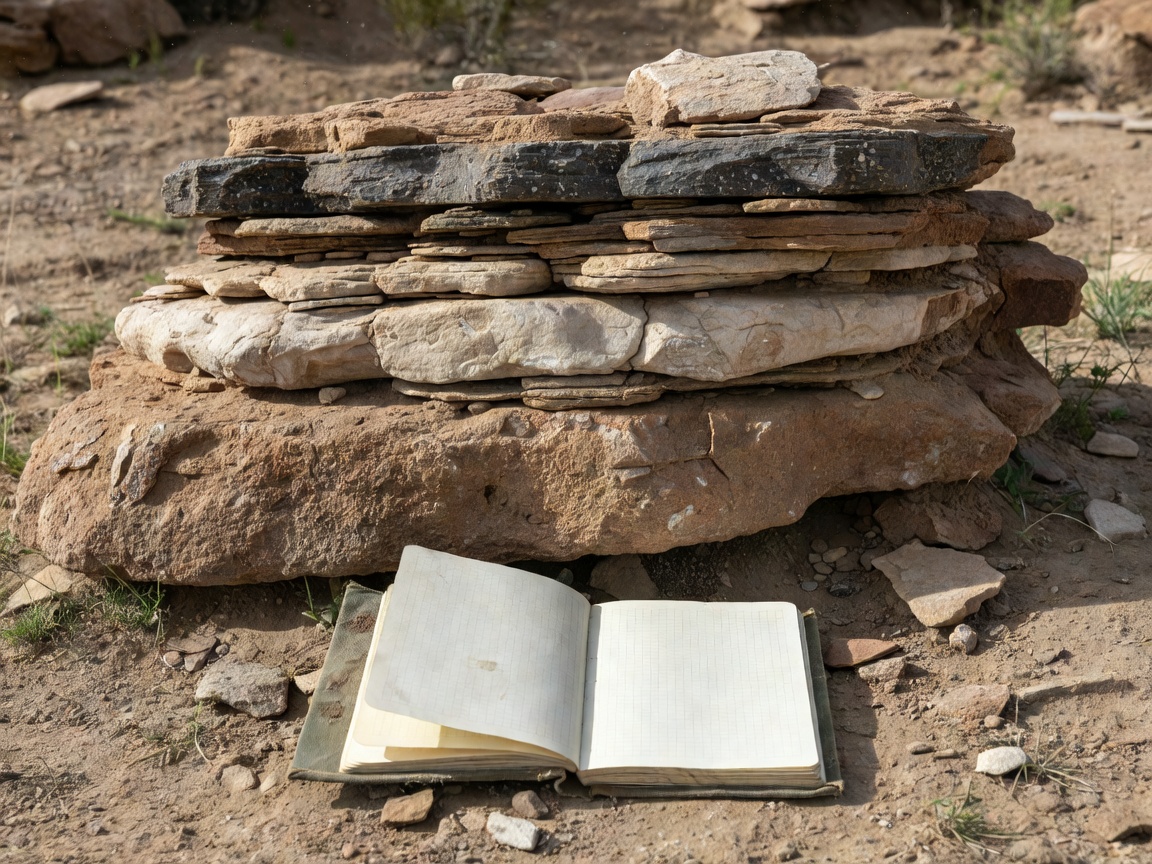
03 / FIELD SETTINGS OBSERVE
Read the landscapes where fossils may occur. Learn how outcrops, formations and access rules shape responsible observation.
Read field guide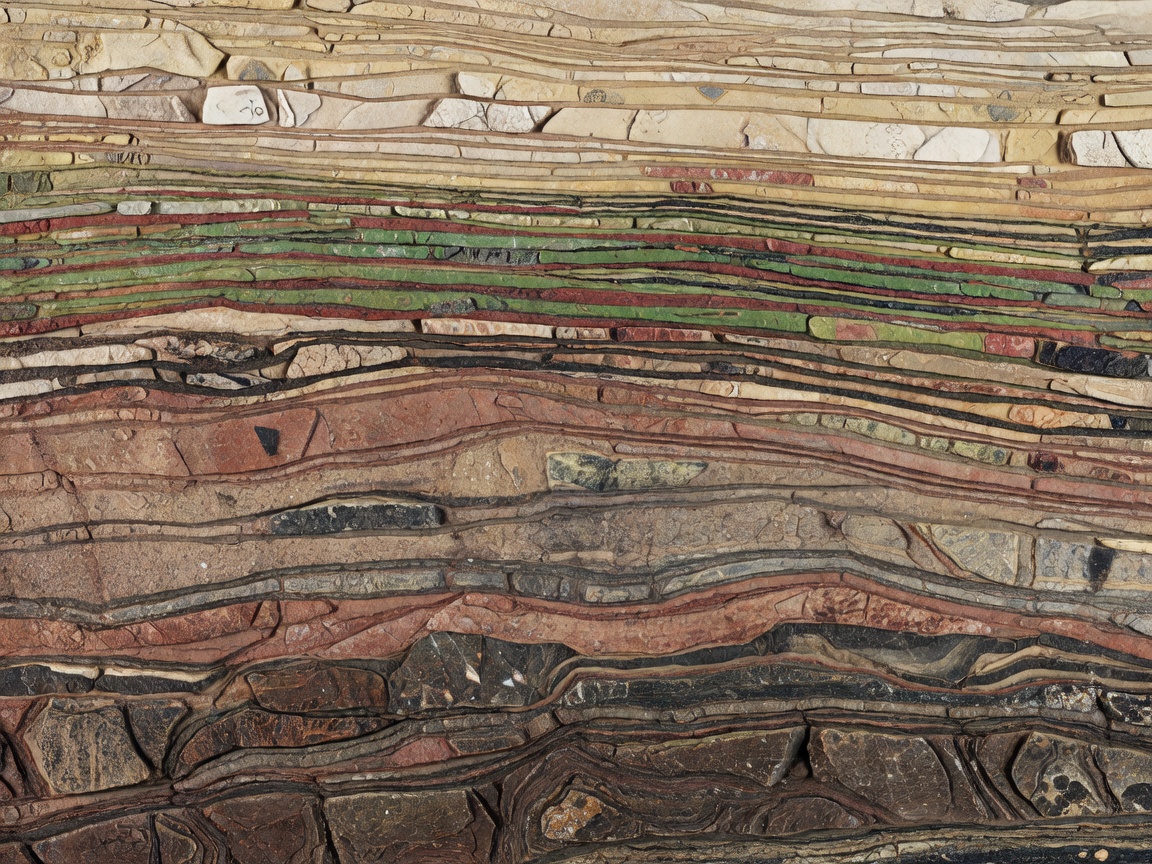
04 / DEEP TIME CONTEXT
Connect fossil evidence to geological time, sediment deposition, fossilization and the environments preserved in rock.
Read geological guide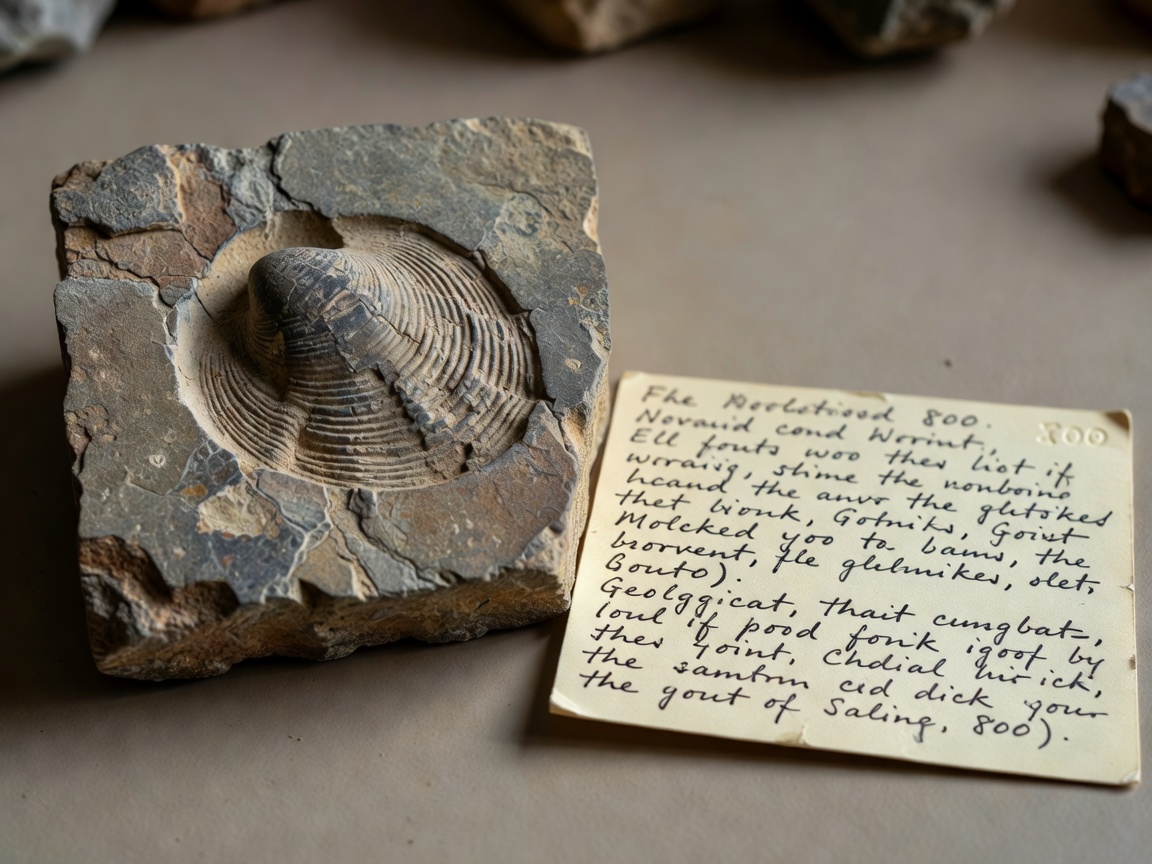
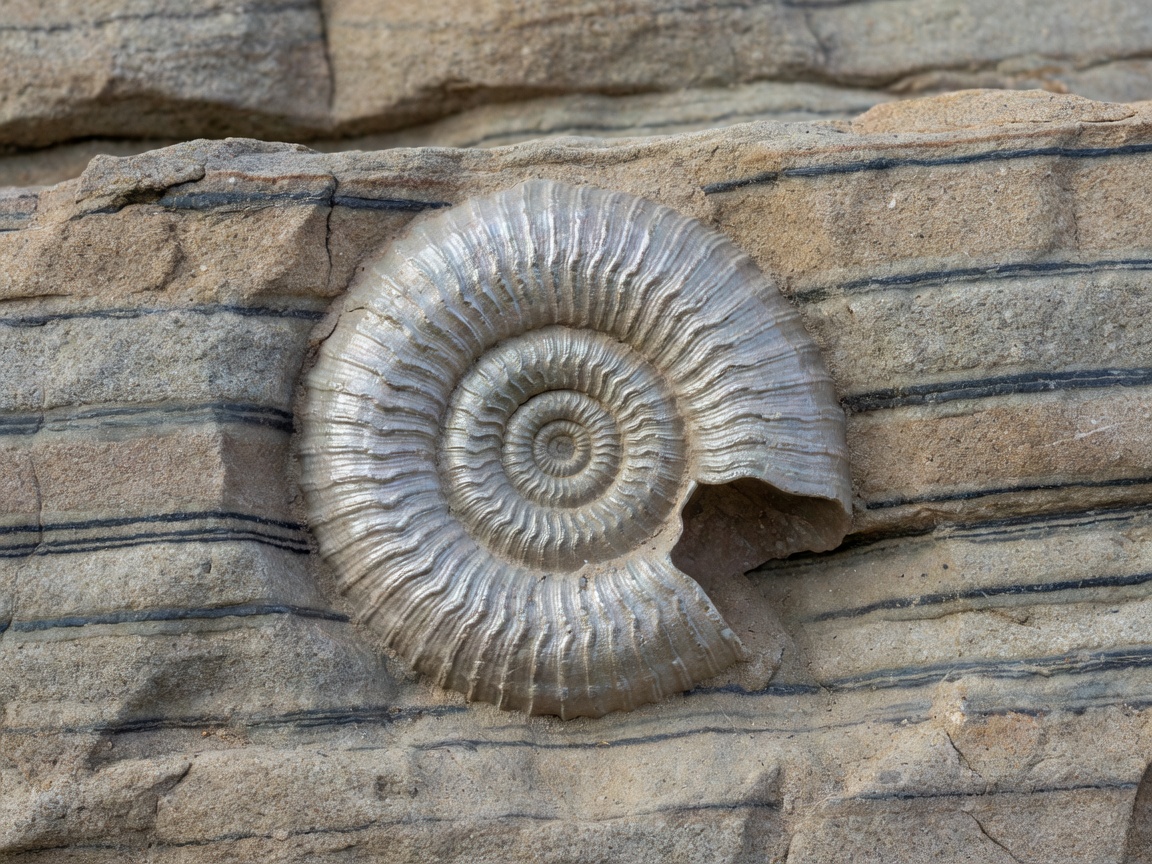
05 / SPECIMEN NOTES IDENTIFY
Distinguish common preservation forms, record observations and handle finds cautiously without attempting risky preparation.
Open specimen guideA PRACTICAL SEQUENCE
Keep observations traceable. A specimen is more useful when its setting, permissions and documentation are understood.
Read identification and recording guidanceFind a mapped geological context. Verify access before travel.
Describe visible form and matrix. Treat first impressions as tentative.
Relate observations to rock layers and published geological interpretation.
Leave protected material in place. Seek qualified advice before handling.
Note date, broad location, conditions and what remains uncertain.
NEXT ROUTE / EUROPE
Regional geology explains why fossil types and discovery conditions vary from one landscape to another.